
Beasts of Burden
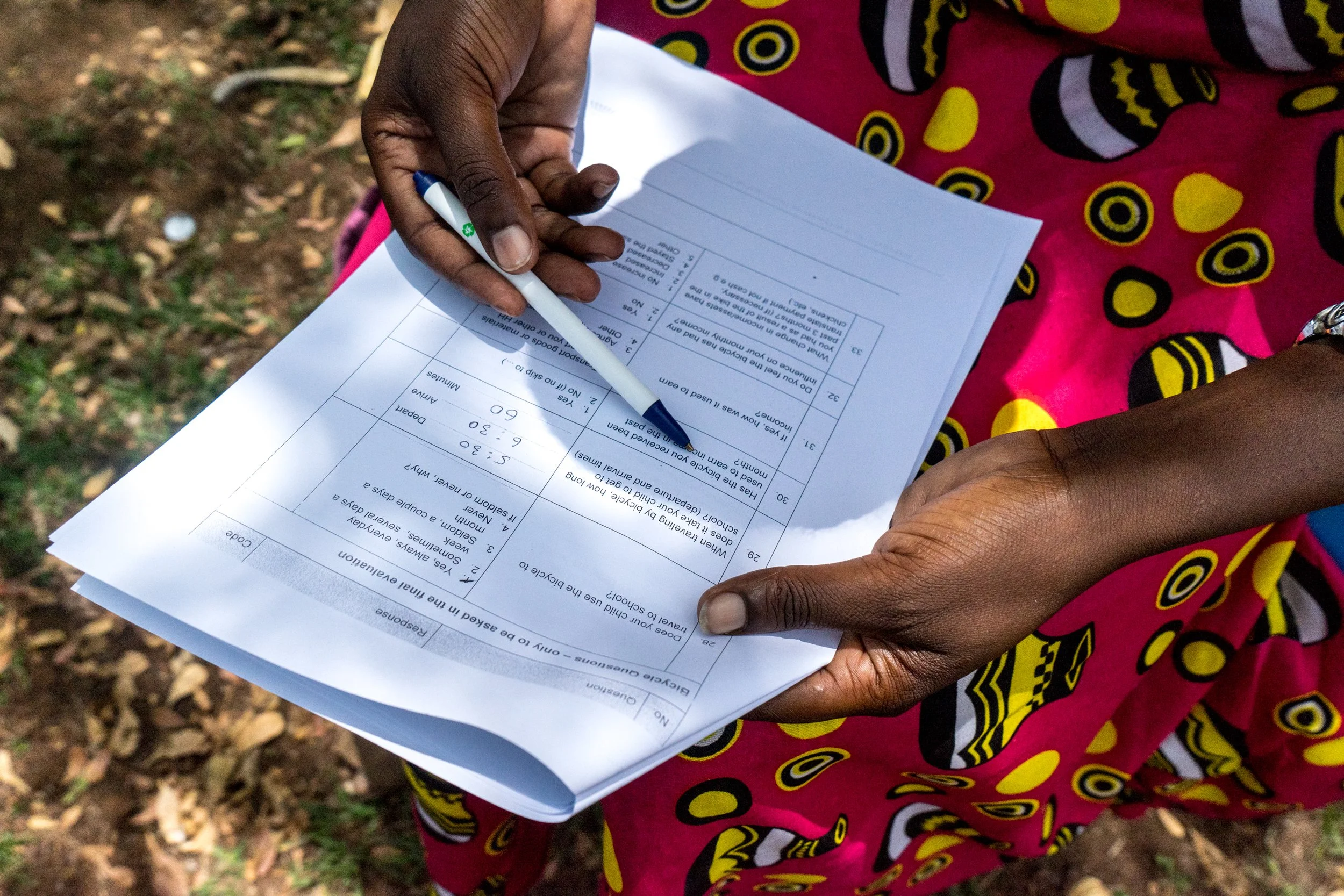
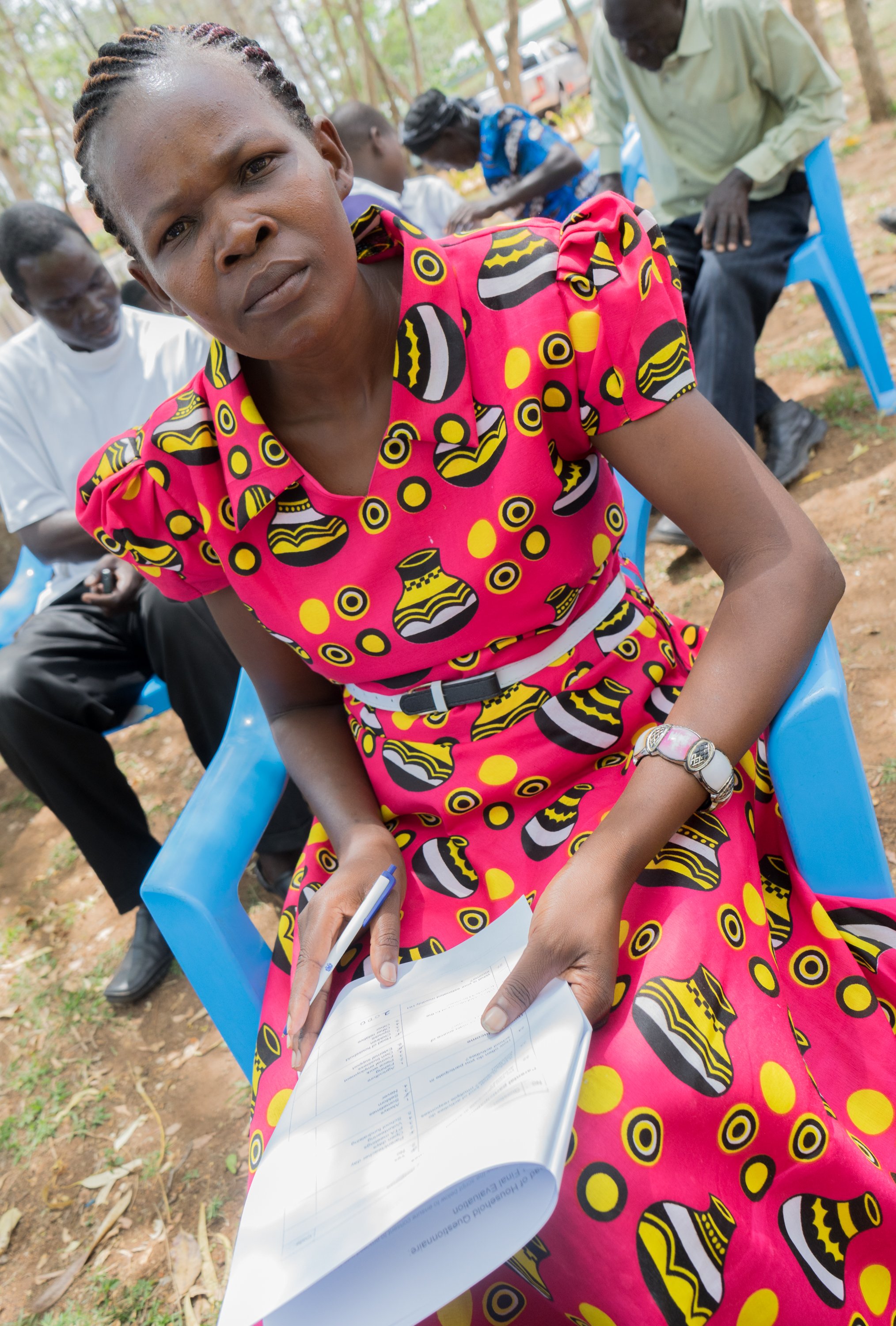
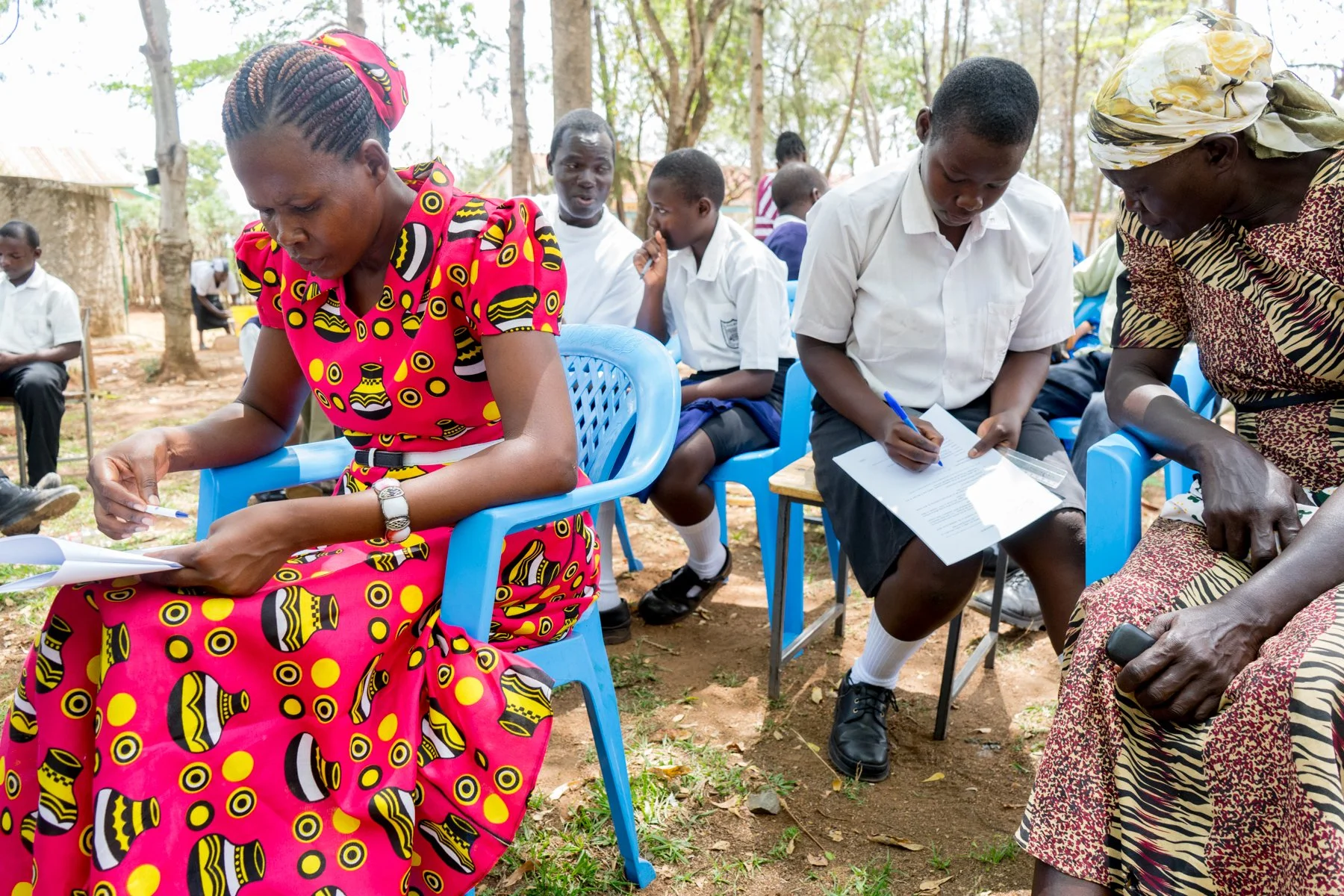
During an Endline Data Collection Survey session at Reliew Secondary School in Kenya we met Mary, a single-mom and dressmaker, whose daughters attend the school. We learned from our survey about the distance students travel to and from school, the regularity of attendance, their performance that year and about issues with the bicycle—but in the process, we also learned of the dramatic economic savings that benefitted Mary’s family. Mary is a dressmaker, and these savings permitted her to invest in more fabrics. Just check out what she’s wearing!
Still, Mary’s bicycle’s primary job is as transport. “My daughter Jane is using the bicycle and coming to school on time,” she says. “I am using it when I go to collect water. The jugs are wrapped with a rope, we tighten them down and just do it.” The bicycle keeps Mary from having to shell out hard earned shillings to meet basic needs.
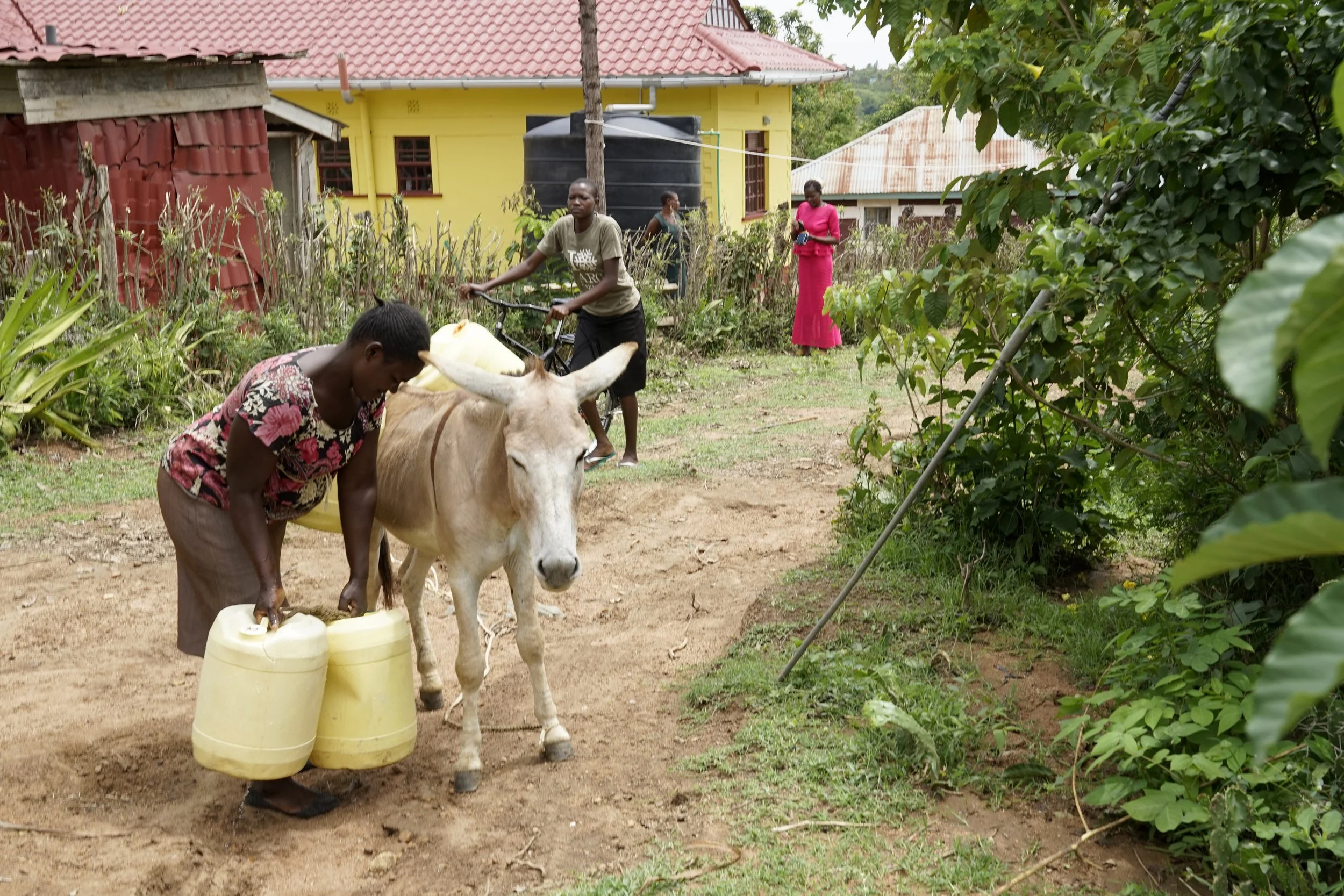
“We also use the bicycle for transporting maize from the shamba (small farm plot) nearby instead of paying 200 KSH (about $2) for things like donkey transport by a neighbor lady who lives three kilometers away, to carry four large jerry cans of water,” Mary continues. The bicycle does the same task at no cost to feed the beast, no reason to engage in long winded conversation with this trainer lady, all at a significant savings. After ninety trips to fetch water from the river the bicycle pays for itself. Now that’s economics!
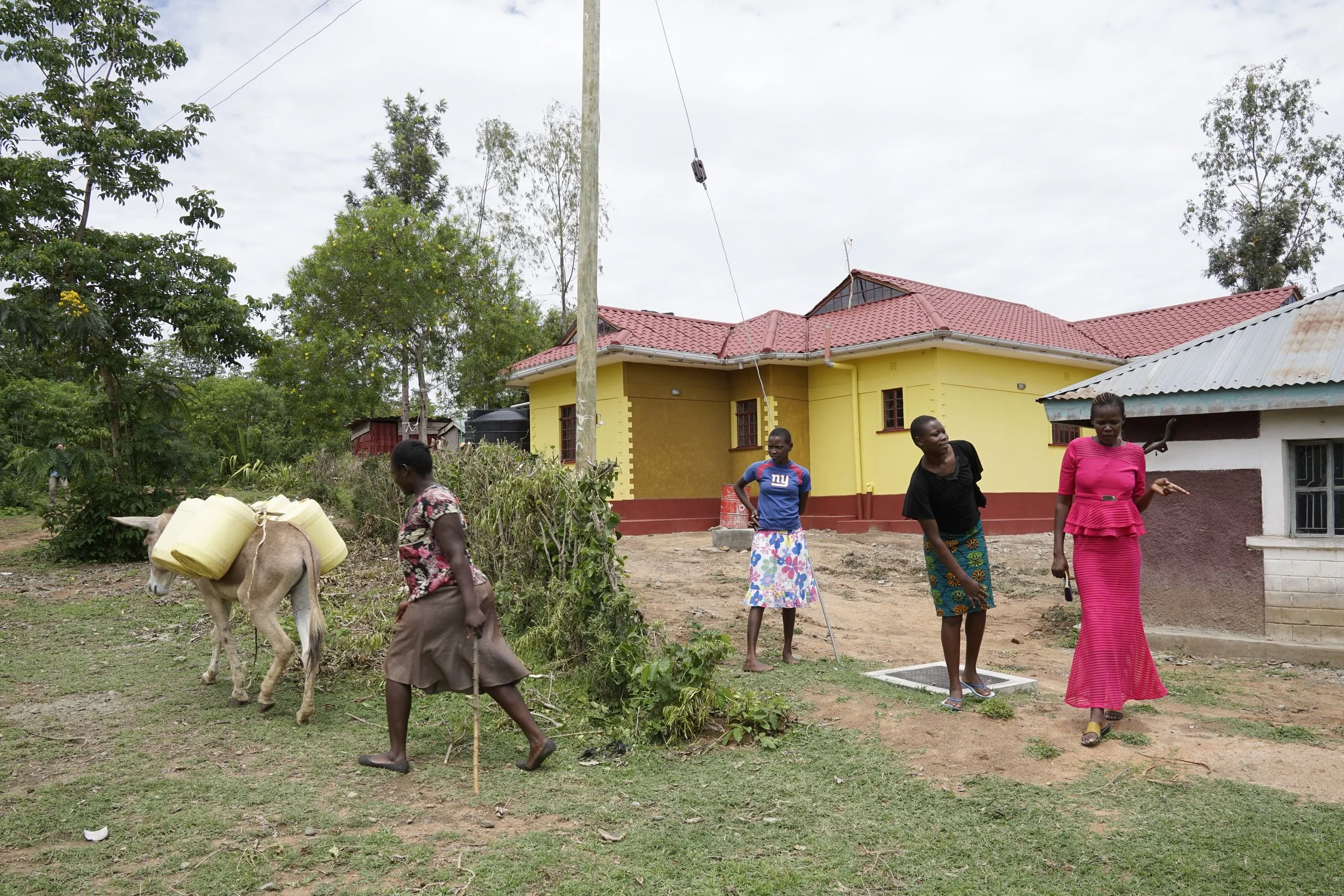
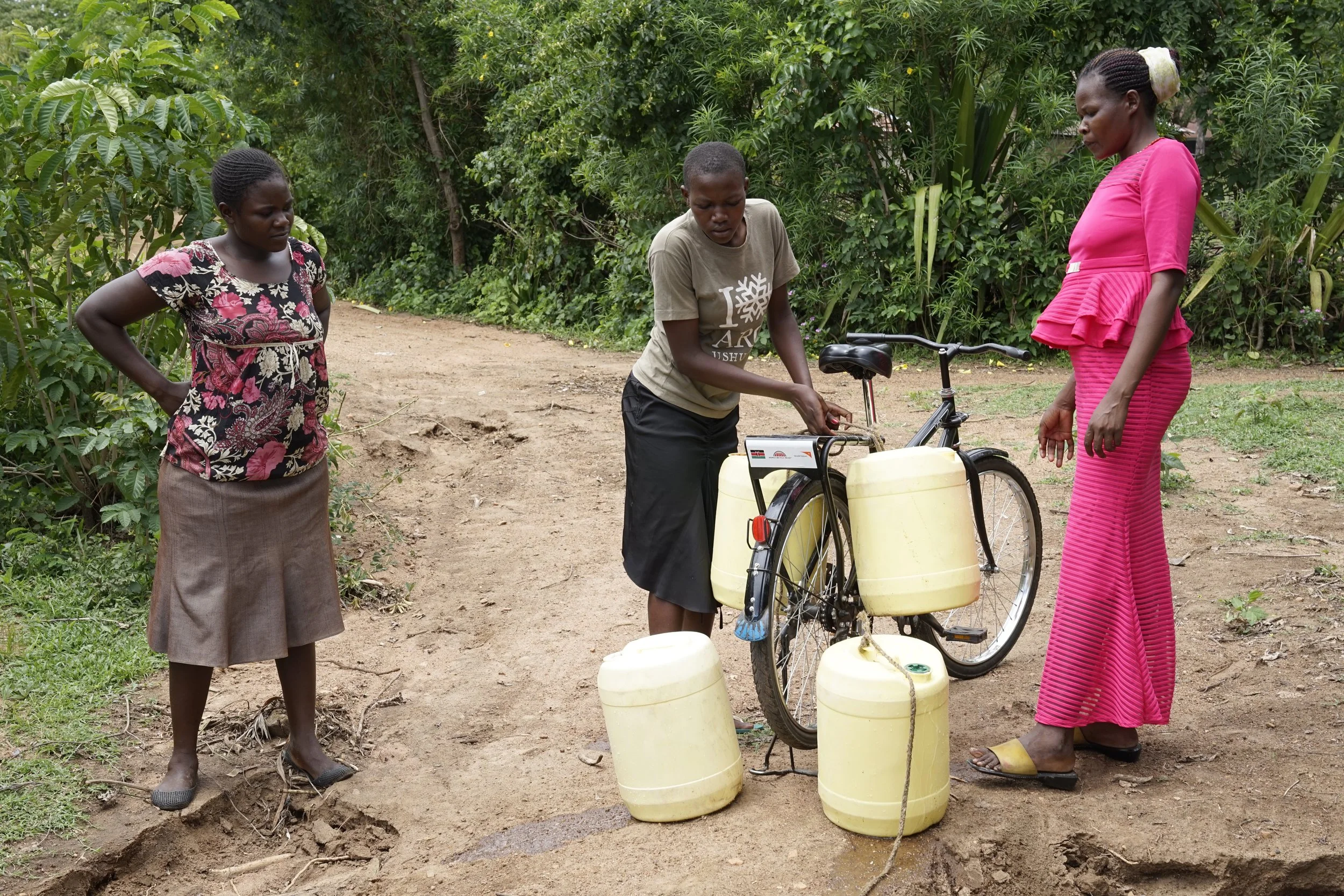
Mary’s girls now move their maize, potatoes and water via bicycle rather than going by donkey. The Buffalo Bicycle can carry 1/2 of a sack of vegetables at a time, which weighs 50kgs (110 lbs.). It can carry two to four water jugs. When carrying a half bag or two jugs the girls ride. If they choose to carry four jugs, they push the bike like it is a cart. Pushing a bicycle is much easier than pushing a donkey. Either way, two trips or a heavy load, the bicycle is still faster.
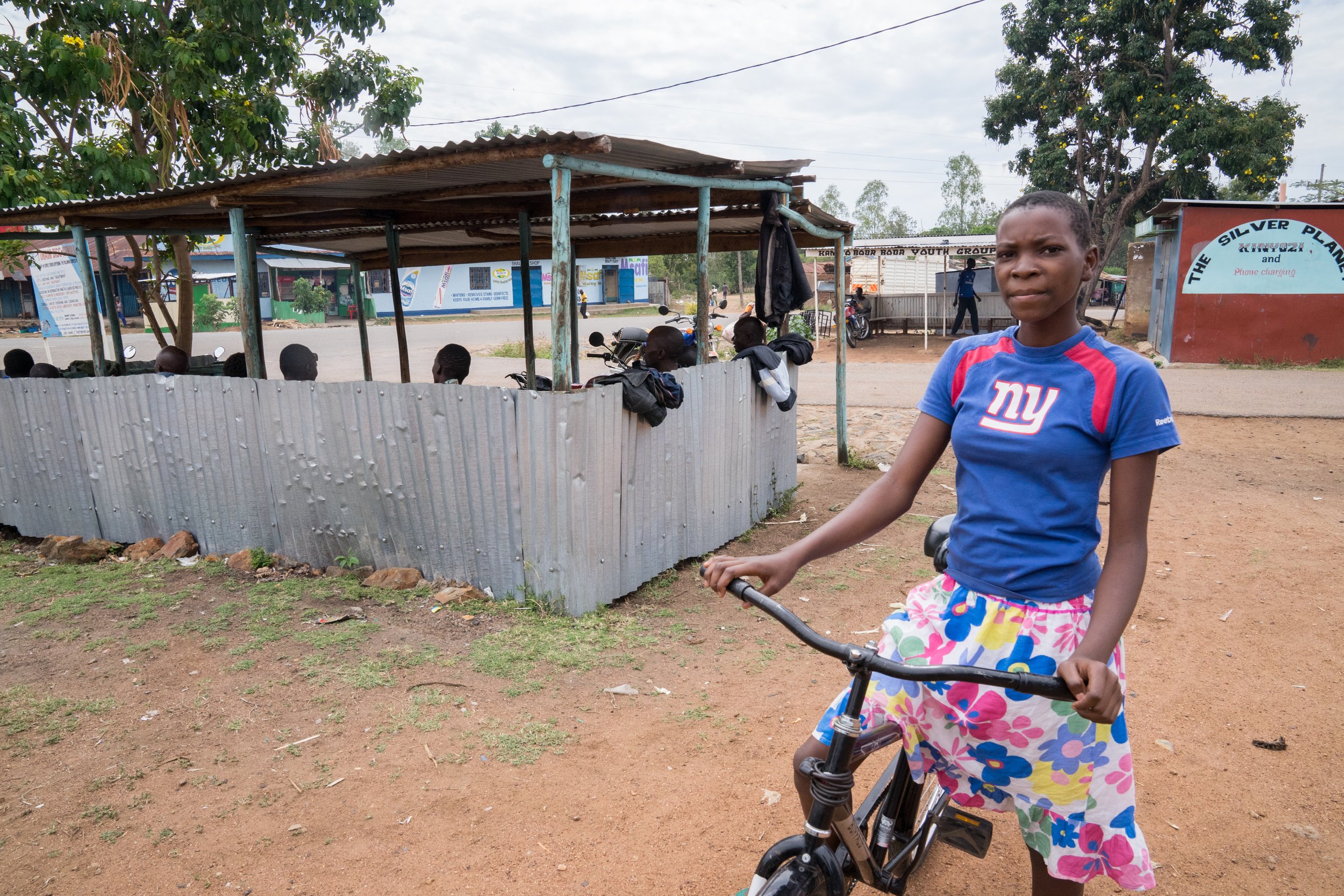
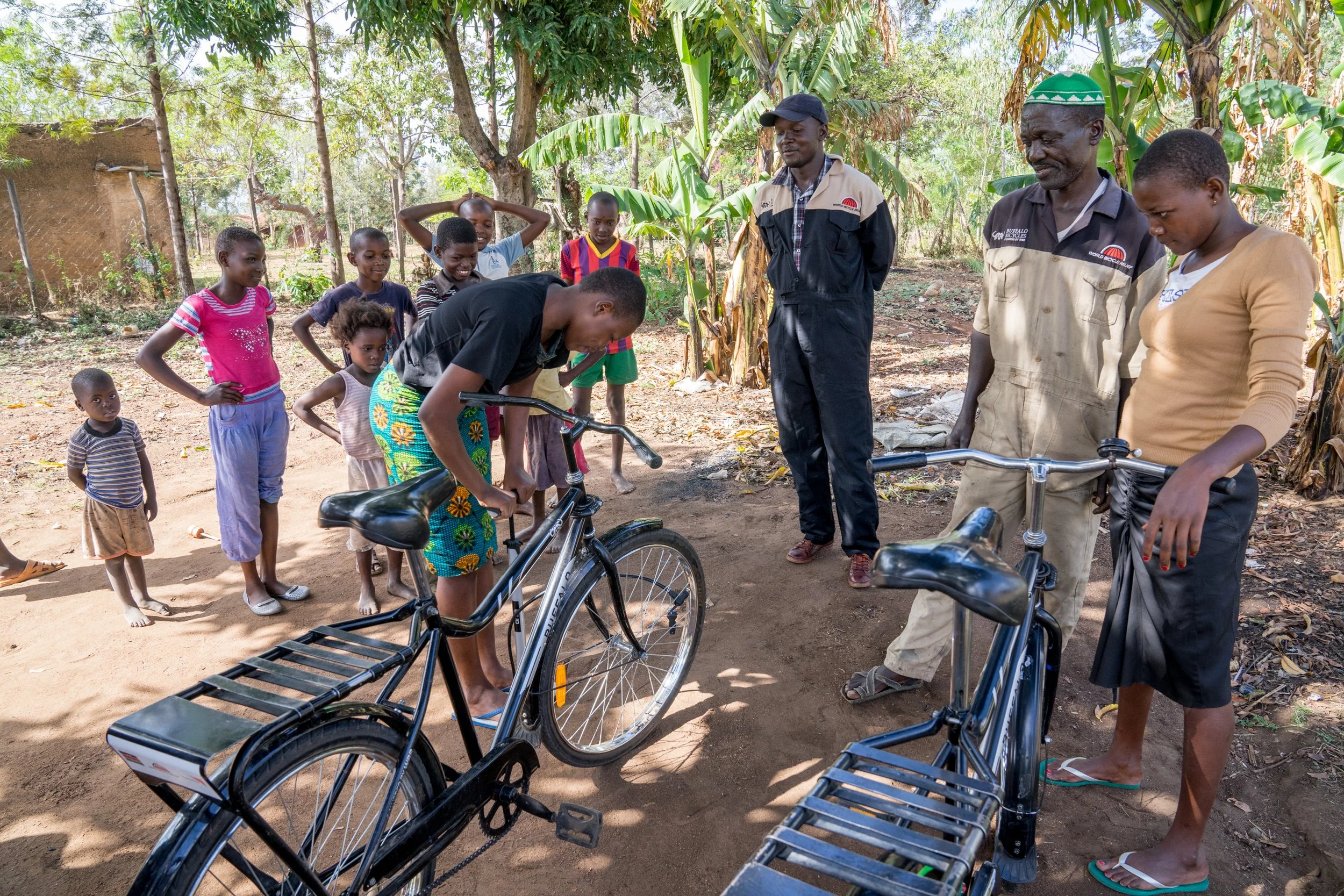
Jane rides into town for sundry items as well, making expensive, but seductively talkative, boda-boda drivers unnecessary. Instead, she enjoys stopping by her local field mechanic’s shop, where WBR-trained Richard taught her how to pump up her own tires when need be. Mary’s mom sums it up best, “The donkey is okay. The bicycle is VERY good.”
Quisque iaculis facilisis lacinia. Mauris euismod pellentesque tellus sit amet mollis.