
Three Sri Lankan Friends: Growth Through The Power of Their Bicycles
Before the tsunami hit Sri Lanka in 2005, Dilshani and Theepika often played volleyball and kabaddi along with their younger friend Krishanthini. But when the massive wave that overwhelmed the Indian Ocean islands, all three friends were dislocated miles from their homes. Suddenly fifteen kilometers from their usual haunts, their only means of transport was a 3-wheeler taxi to take them to distant meets and anywhere else beyond walking distance.
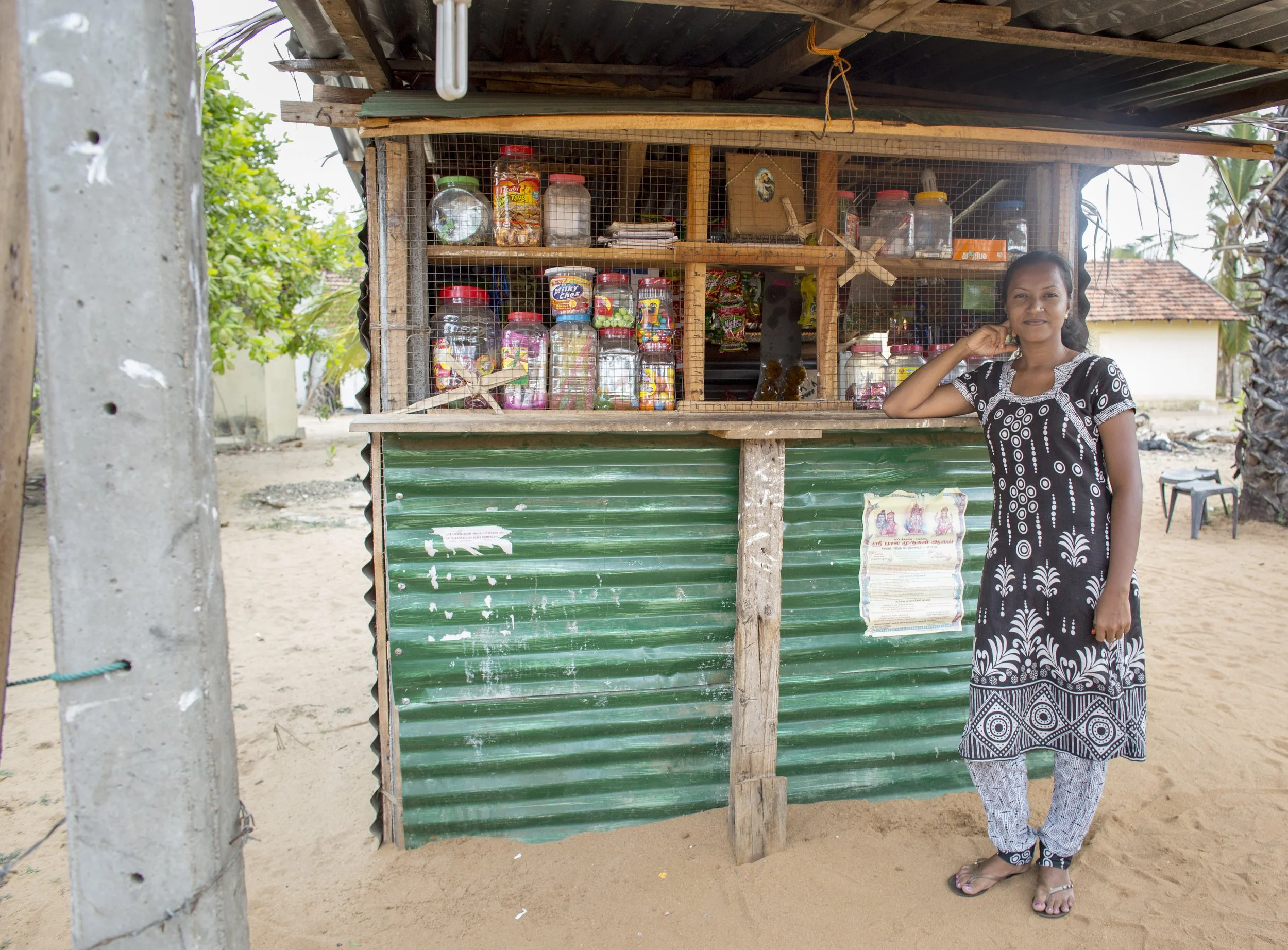
The wall of water effectively knocked the families of all three girls out of their middle class comfort zone, at least for a time: the wave was a disaster not only for Sri Lanka’s physical infrastructure but also had long-lasting effects on the economy. Dilshani’s father could not return to the sea to fish for many months, for example, while the small shop owned by Theepika’s family suffered a huge loss of sales.
For the girls themselves, the disaster meant losing access to the extra morning and evening classes that are crucial to educational success in Sri Lanka: “I was not able to attend my evening classes,” Theepika remembers about her grade 11 year; “Teachers would punish me. So, I told them excuses for missing class.” Similarly, Dilshani was unable to attend during her grades 9 and 10 years because it required a long walk from home to a junction where a bus required a 20 rupee fare that her father could no longer afford.
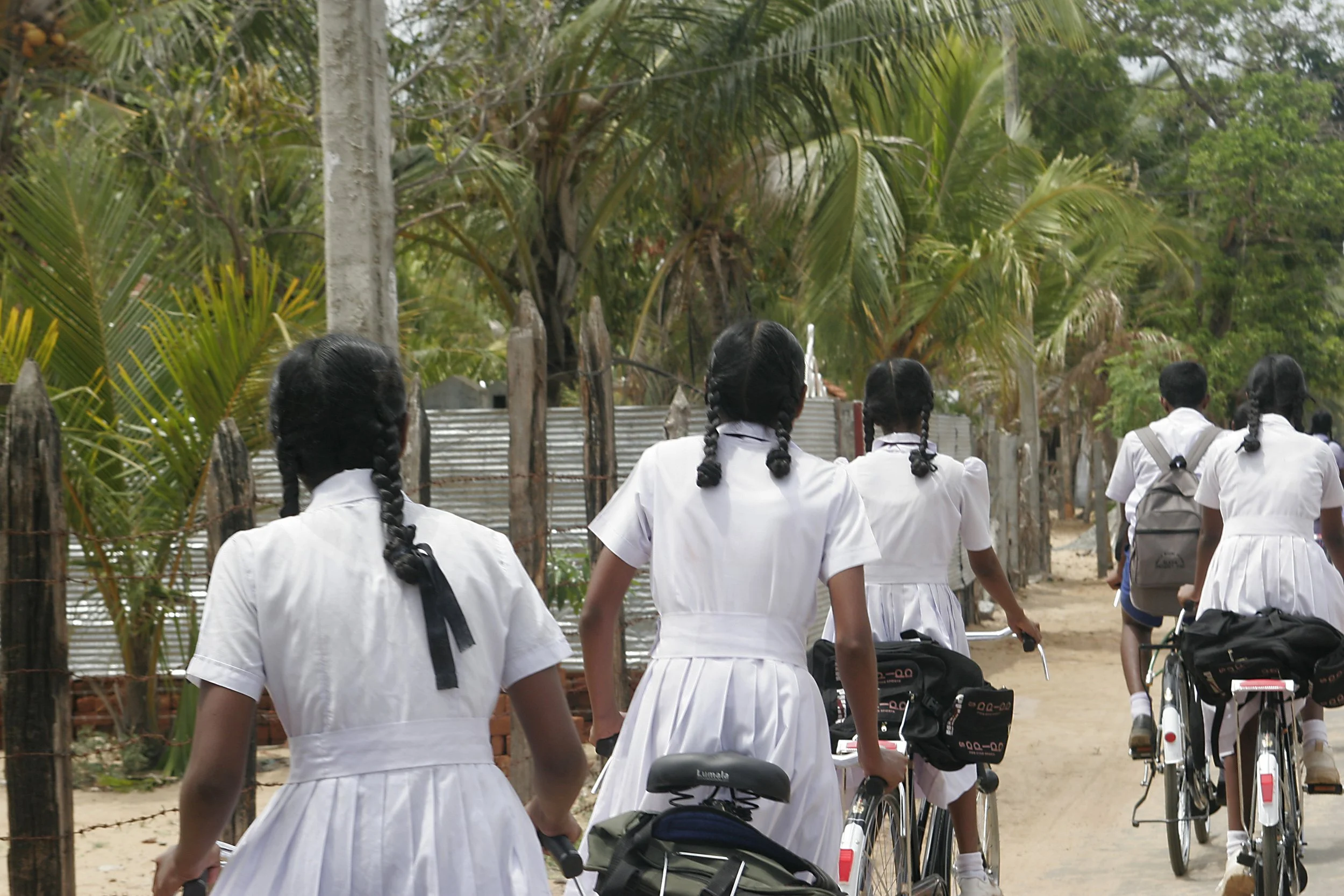
A decade later, life is much improved for the girls, now young women, who were some of the first to receive a bicycle from World Bicycle Relief once operations began in 2006. Those bicycles allowed them to pursue their passions of volleyball and kabaddi. Krishanthini’s mantelpiece proudly displays multiple trophies and winning ribbons, while Dilshani is a trophy-carrying champion in kabaddi.
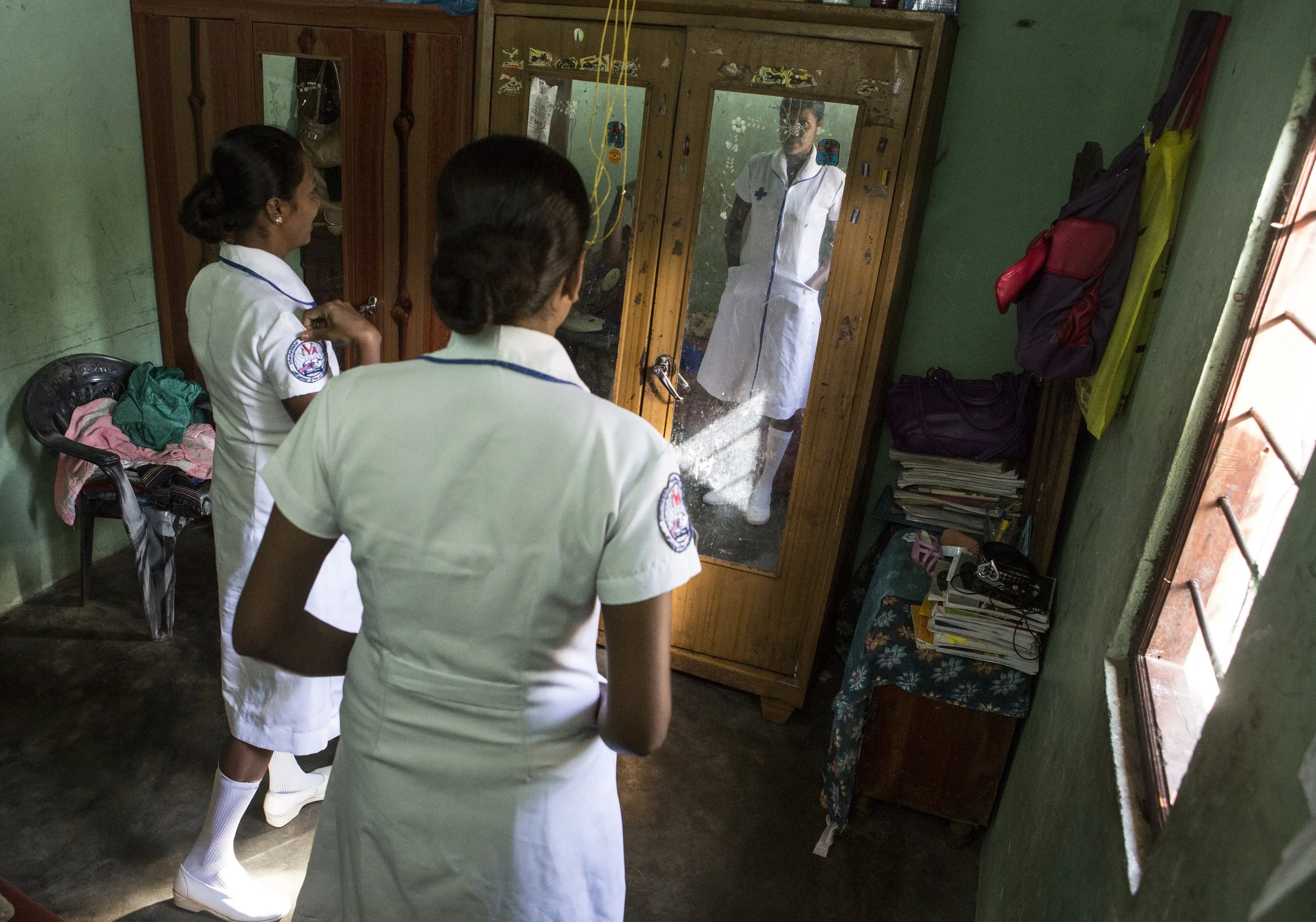
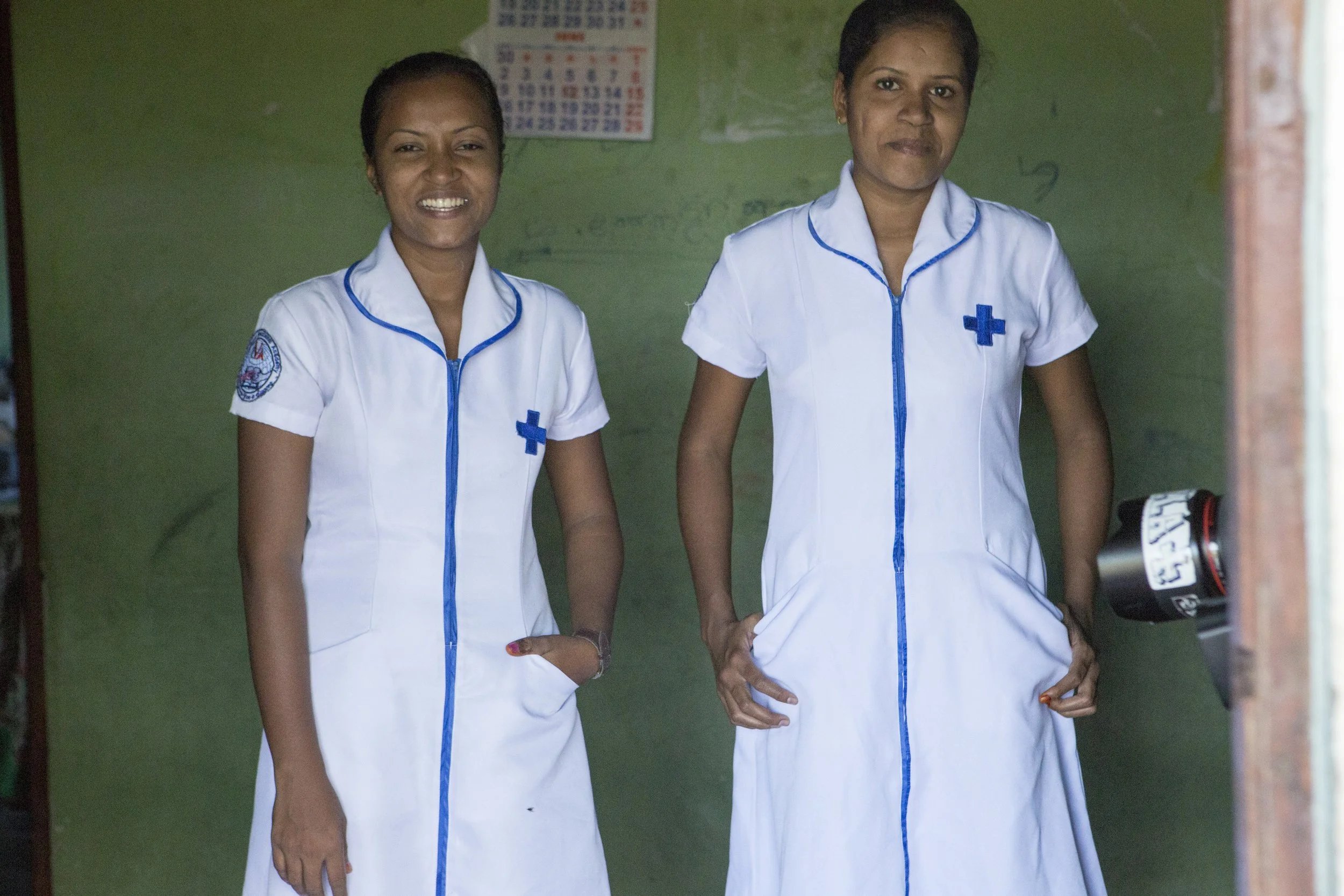
Yet the effect of the bicycle has been far more profound than producing sports memorabilia. All three women have pursued careers in nursing; careers that would not have been possible without the mobility provided by their bicycles. Krishanthini is still studying, while Theepika has completed her course and is now a working nurse. Dilshani has not only completed her nursing course, but is now a midwife, with many deliveries under her belt. WBR bicycles were crucial in the pursuit of these accomplishments after such devastating losses.
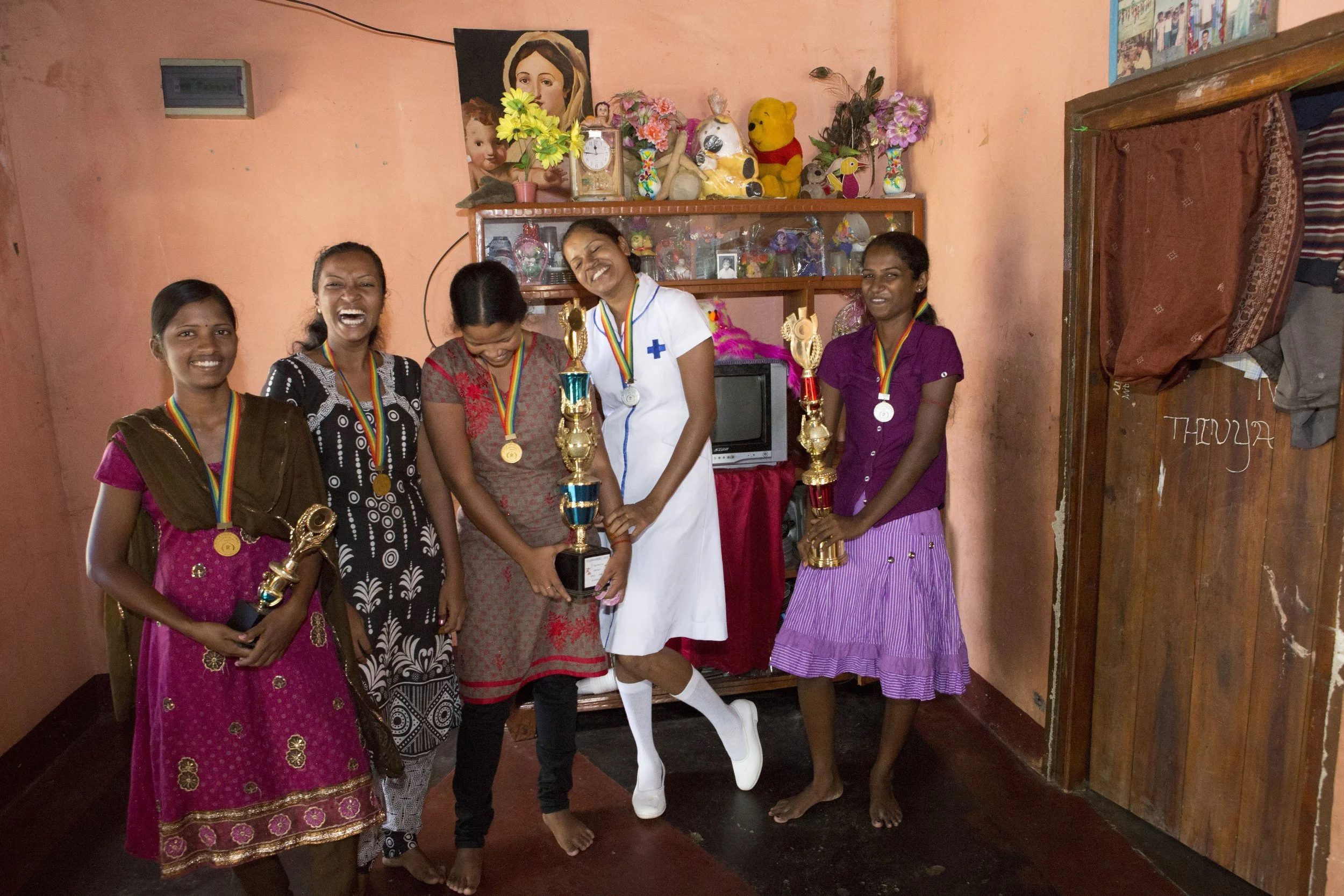
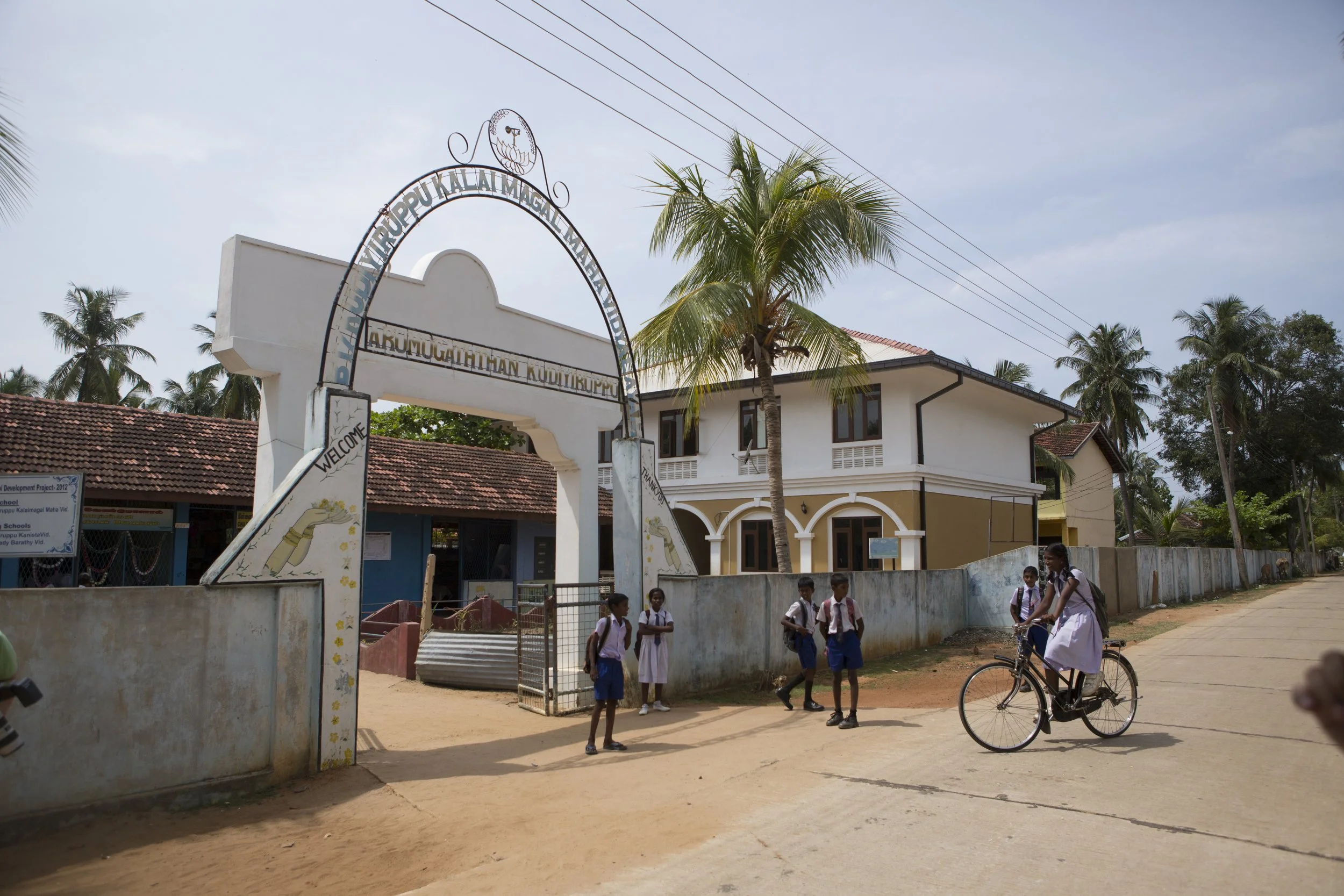
The effect of their bicycles also extended beyond these ladies themselves. “My father took the bicycle to the seashore for fishing,” Theepika recollects. Her family still uses it for banking and to retrieve supplies for their store. Krishanthini’s younger twin sisters are using her old bike to get to elementary school, while Dilshani’s bicycle now helps her younger sister reduce a 45-minute walk to school down to a 20-minute bike ride.
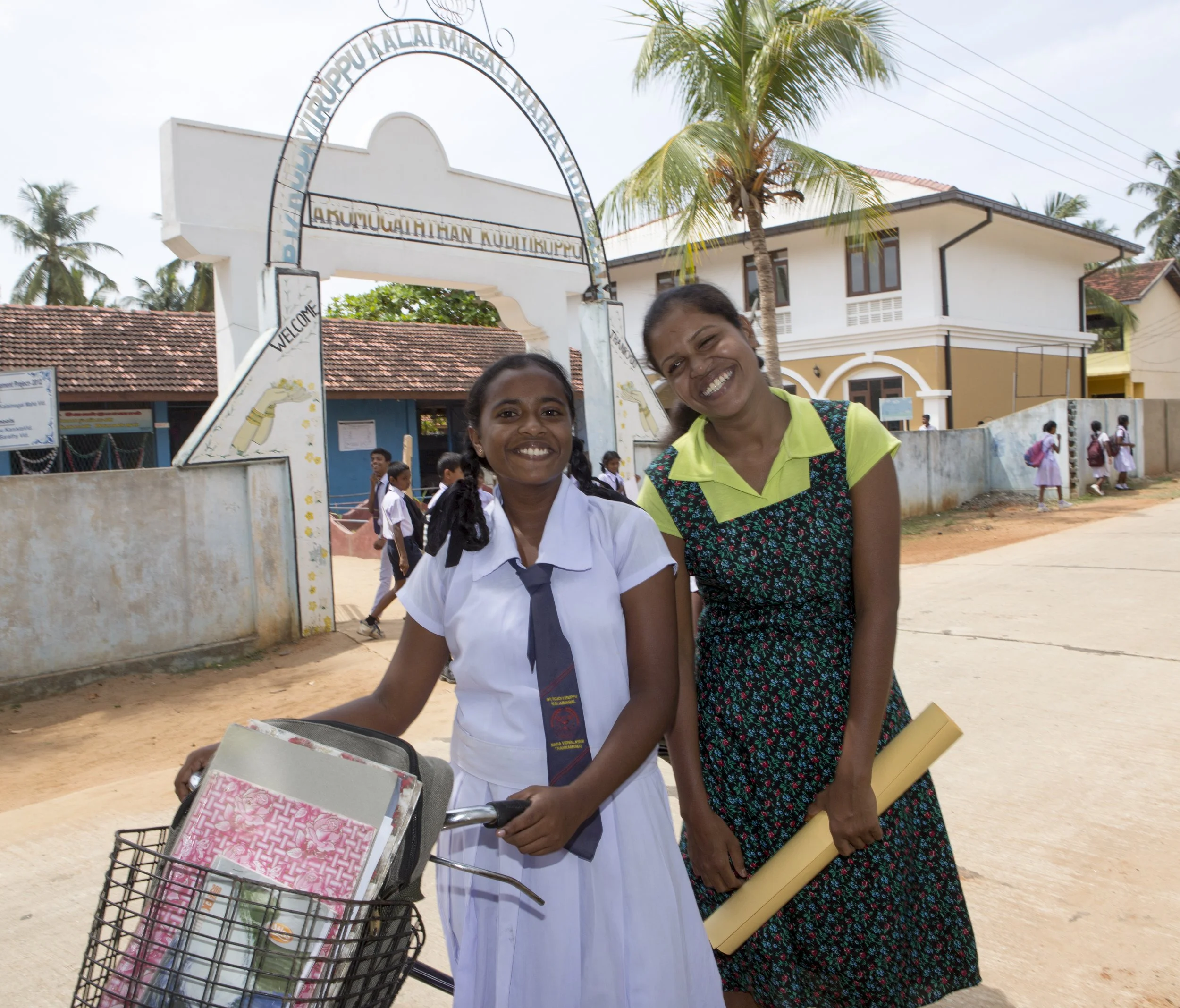
Before their WBR bicycles, these girls—and their families—were severely hampered by a lack of mobility. Krishanthini has spoken with pride about how, when there is a headwind, her twin sisters are inspired by their big sister’s strength to pedal harder towards their education. But perhaps how, by unlocking physical mobility, WBR bicycles have unlocked human capital: each of these impressive young women is adding enormous value to their community. The story of these three friends, and their families, are testimony as to how bicycles have broken down all sorts of barriers throughout Sri Lanka informing the work WBR still does, to this day.

Quisque iaculis facilisis lacinia. Mauris euismod pellentesque tellus sit amet mollis.