Syria: Photograph Your Curiosity
Experiencing Syria as a Cultural Specialist (2003)
Have you ever had one of those telephone calls where the conversation is so unexpected you keep looking at the phone to make sure the phone is real? Last summer, I had one of those when Valentine Judge, Marketing Director for the Chicago Cultural Center, called and said she had an opportunity for me of which I would be thanking her for the rest of my life: an invitation to exhibit, teach and lecture on photography in both Aleppo and Damascus, Syria. She explained that the US State Department would provide travel and program expenses, there would be a stipend for me and that the people in Syria were the most welcoming people she had ever met. This seemed too good to be true and a huge honor. Then it gets even more interesting. What I cared to exhibit, teach and lecture on was entirely up to me — a huge responsibility. Vast unknowns loomed. Reassurance from Ms. Judge served as a sound voice. She had visited before with some works from CITY2000 (Chicago in the Year 2000) and knew of the experience I was in for. Regardless of her trip’s itinerary happening during September 11, 2001 (AKA 911), Ms. Judge had only warm words for all that she experienced while there.
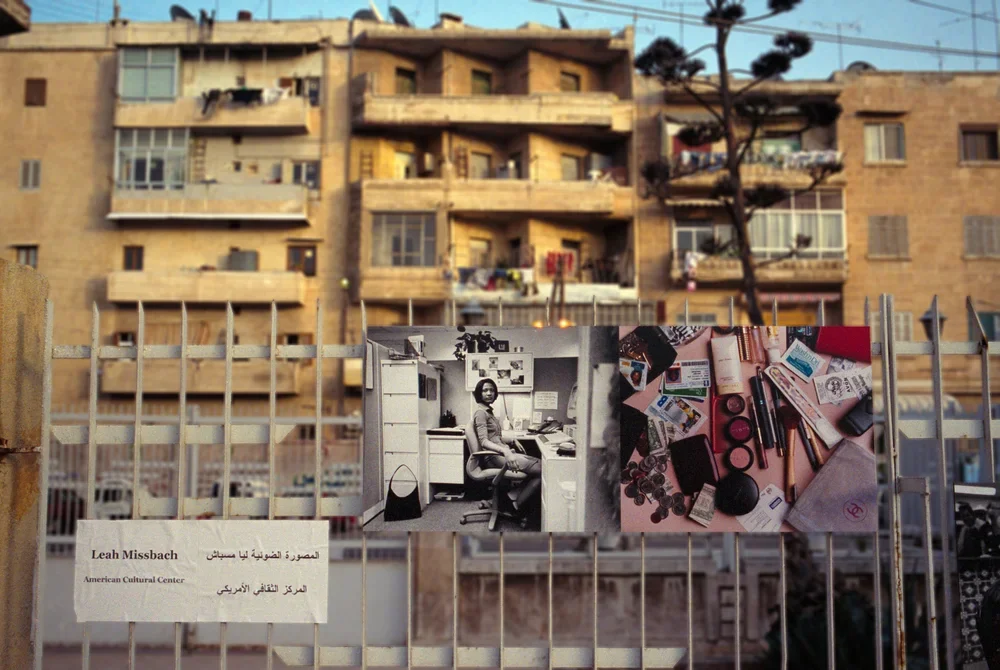
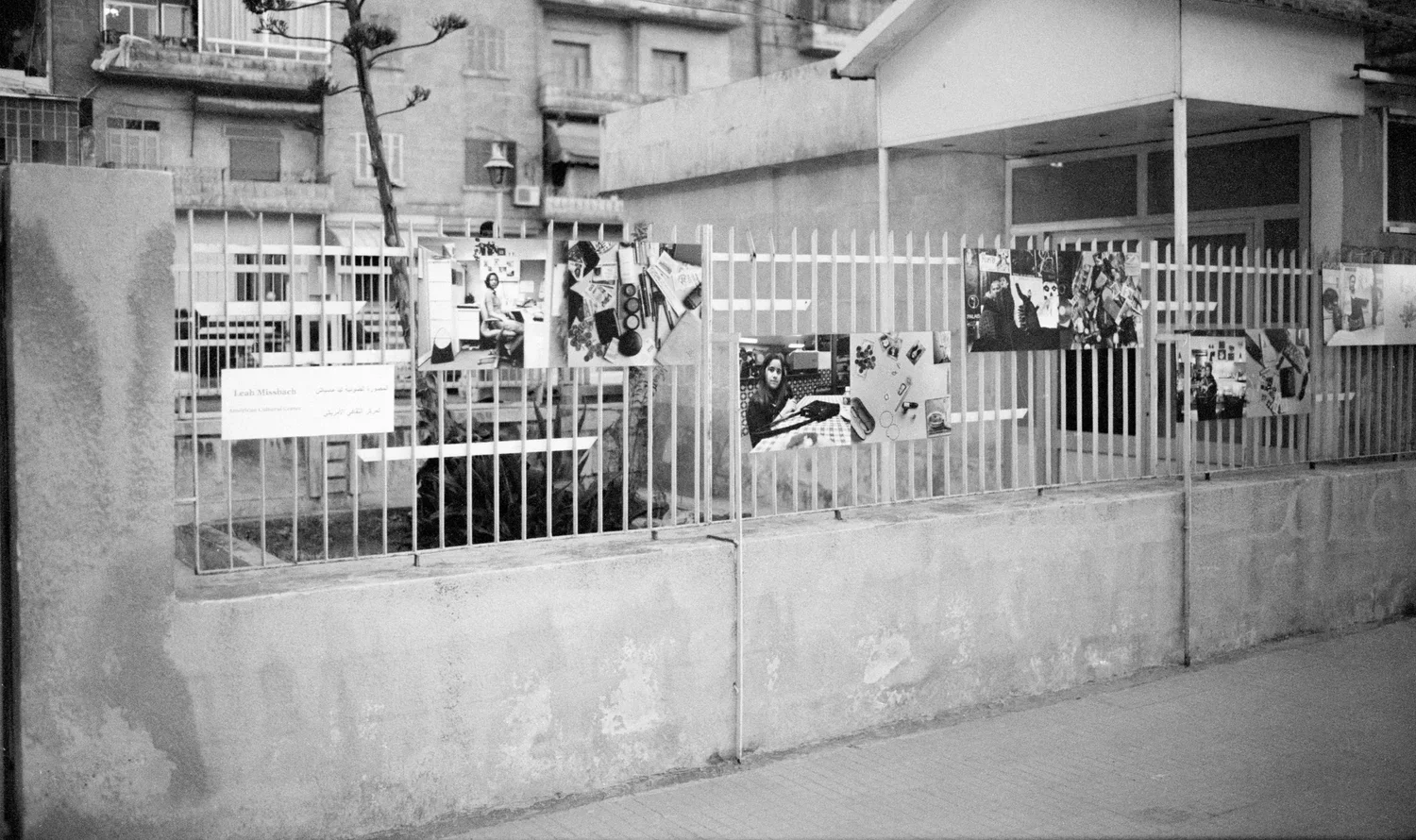
What I became interested in showing were two bodies of work that had a descriptive quality of regular everyday American life. One, titled Purses, is a series of diptychs pairing a B&W portrait of a woman and her handbag within the frame, paired with a color still life of the contents of her purse. The other, Boys Away from Home, is a series of environmental portraits of high school boarding school boys, in their dorm rooms, who were attending South Kent School.
These two bodies of work were in effort to talk about our identity through things we bring with us when leaving home. These choices alsoo worked well as teaching tools. Through these photographs the Syrian Embassy folks and I were able to create a dialogue about the similarities and differences amongst Syrian and American students and women. Some believe we must go far and wide to create good pictures. What I wanted was to create a sense of community that is always available right at our fingertips.
In thinking through the lecture topic, I knew my words would be translated into Arabic. Never having been translated before I wanted to feel comfortable with familiar material while providing clear concepts. I learned that my audience would be diverse, so I needed to make it interesting to professionals, students, a range of religious affiliations and culture seekers alike. We have incredible photographers here in the Midwest. Many of them influence my work. People in Syria do not have nearly such access to photographic influences, artists, magazines, books, exhibitions or the Internet as we Americans do. But they do have each other with poetic brilliance at their core. The audience were active listeners who provoked me with many questions about my intensions. This was not offensive, but merely set a tone of intrigue and unity for my workshops. What may be important to keep in mind is the fact that women were rarely seen in this type of leadership role as the expert.
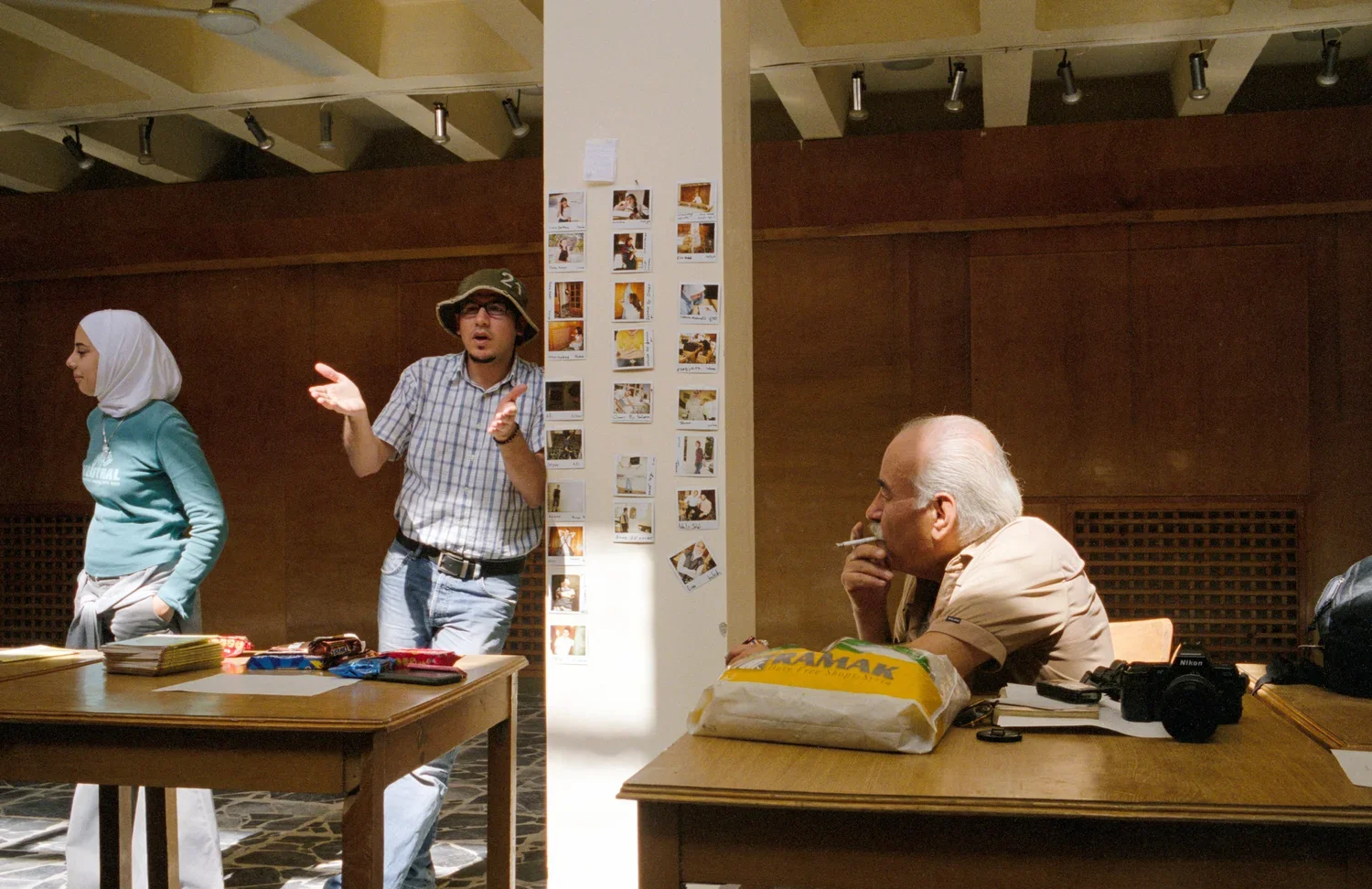
The skill level of workshop participants was unclear. While researching what might be compelling and doable during a 5-day course I came to learn of the profound interest and respect the Syrians have for poetry. Through a few evenings of musings I came to, the Nobel Prize winner, Wislawa Szymborska's poem, "Travel Elegy” and a piece from "The Art Spirit” by Robert Henri. (Ref. below) These two authors' passions about the wonders of seeing formed the workshop’s base, Photograph Your Curiosity.
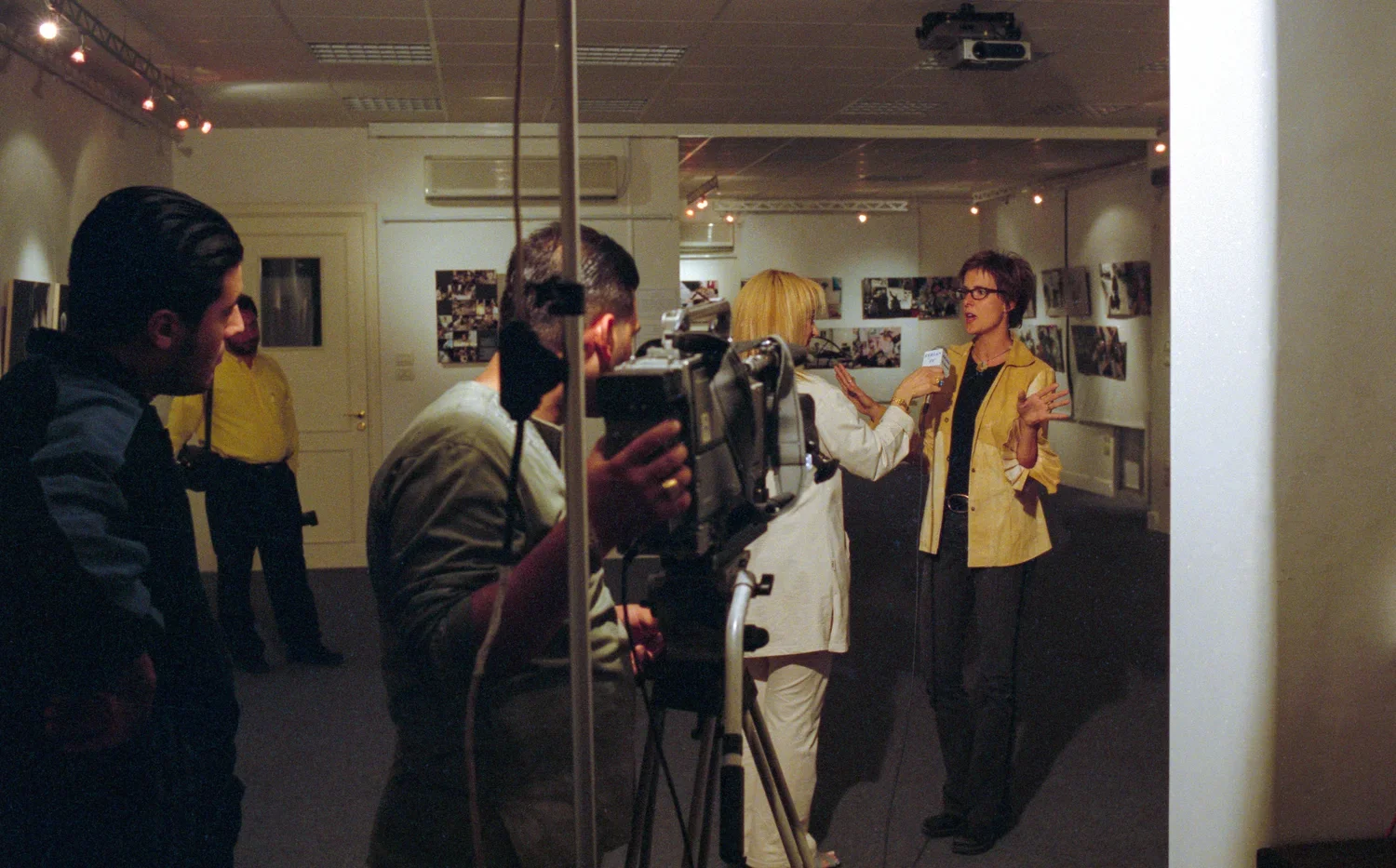
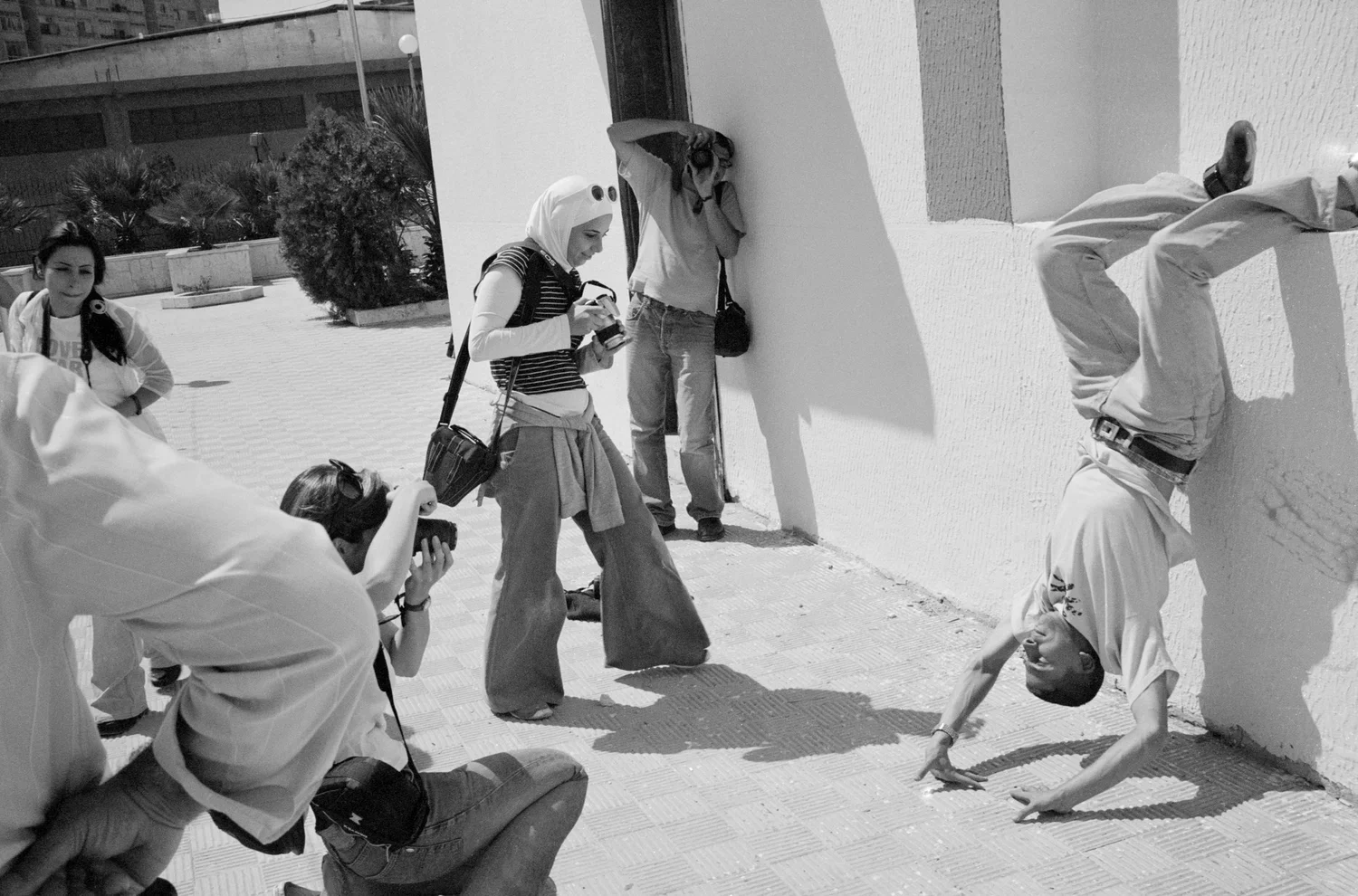
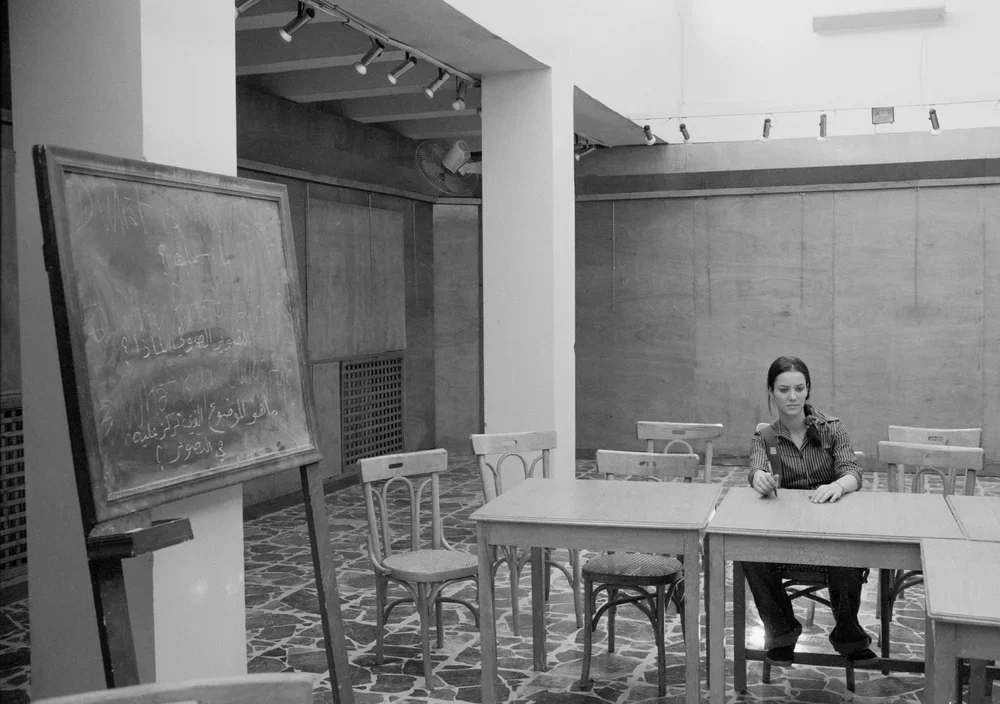
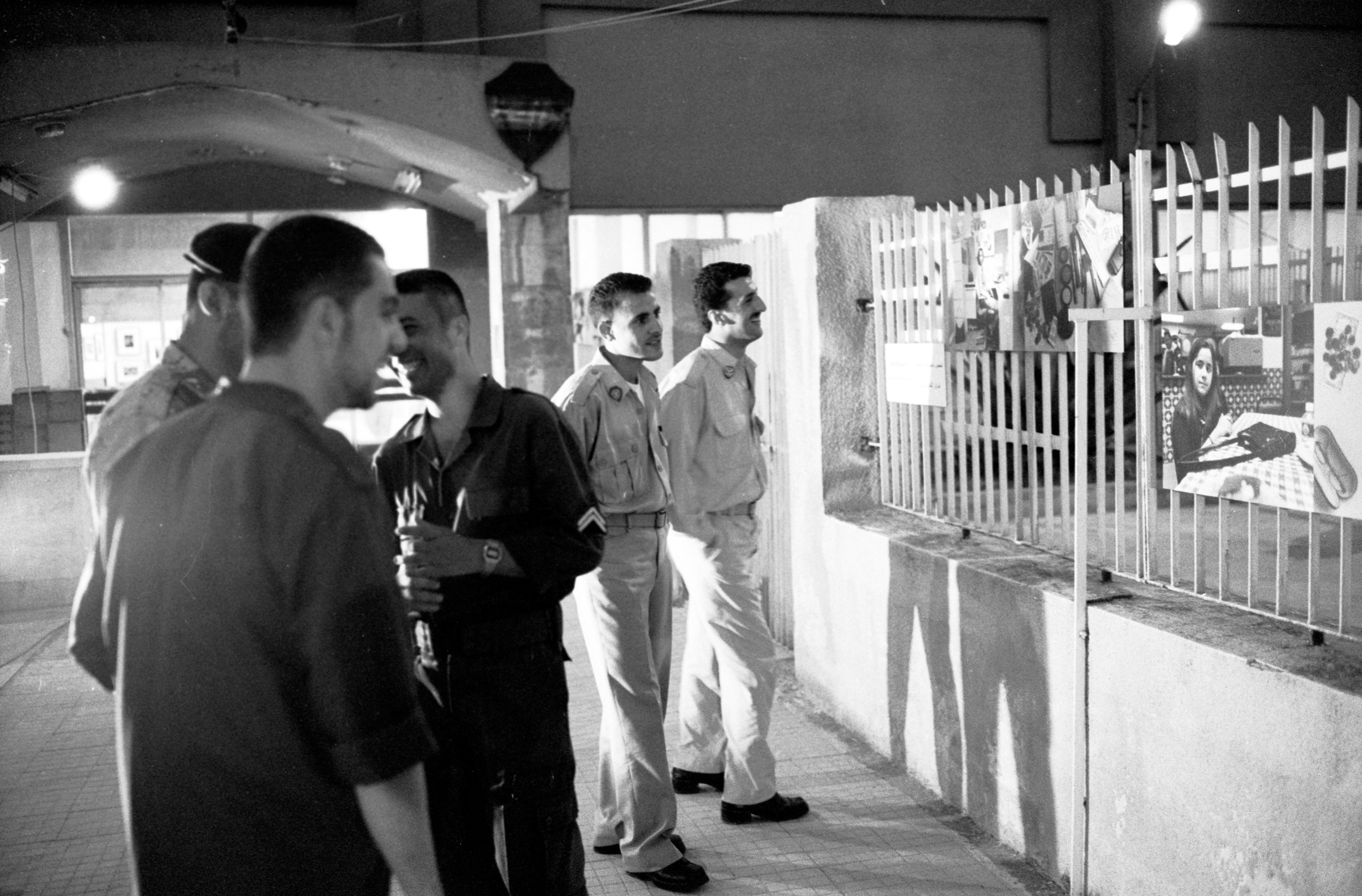
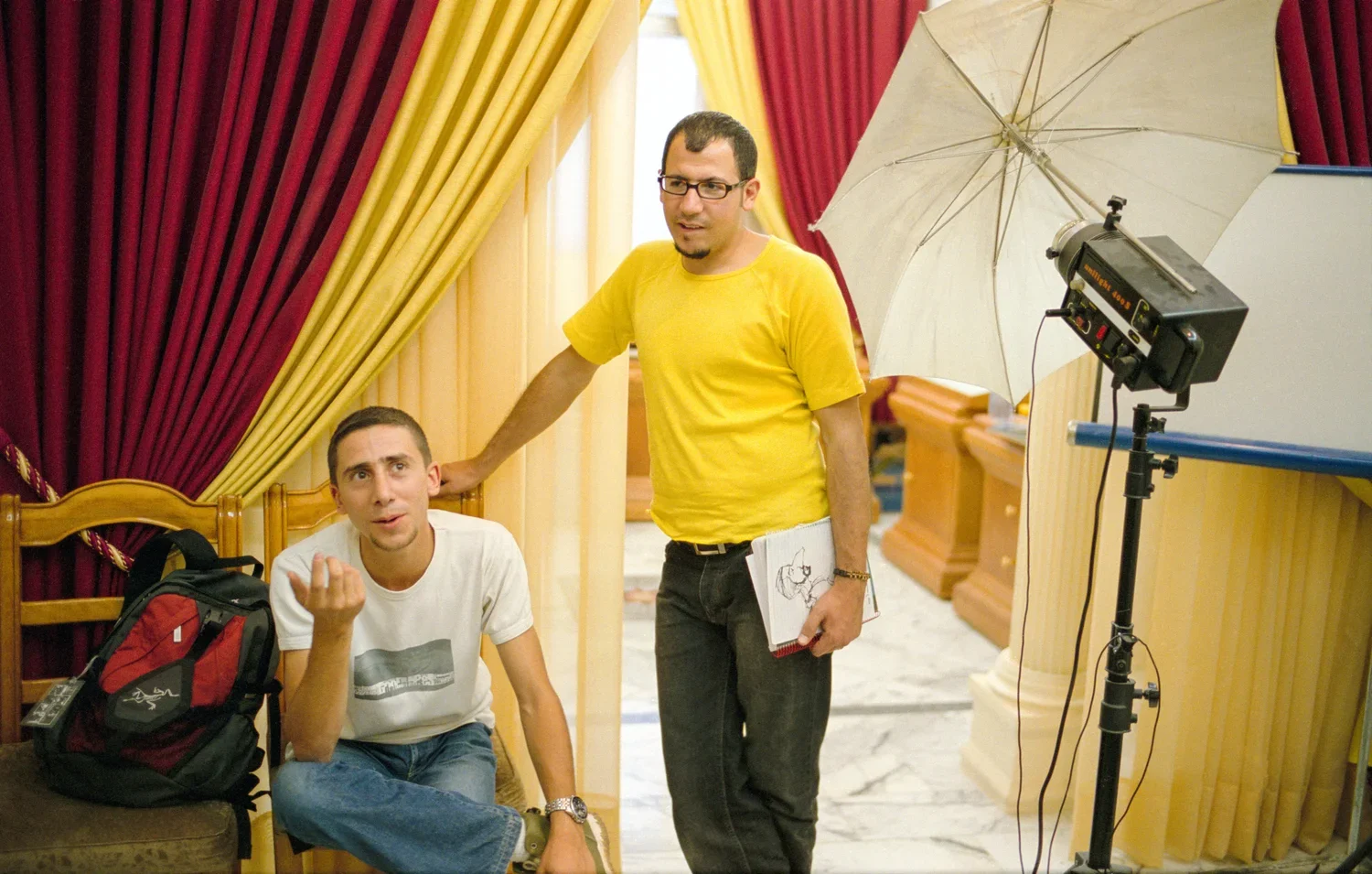
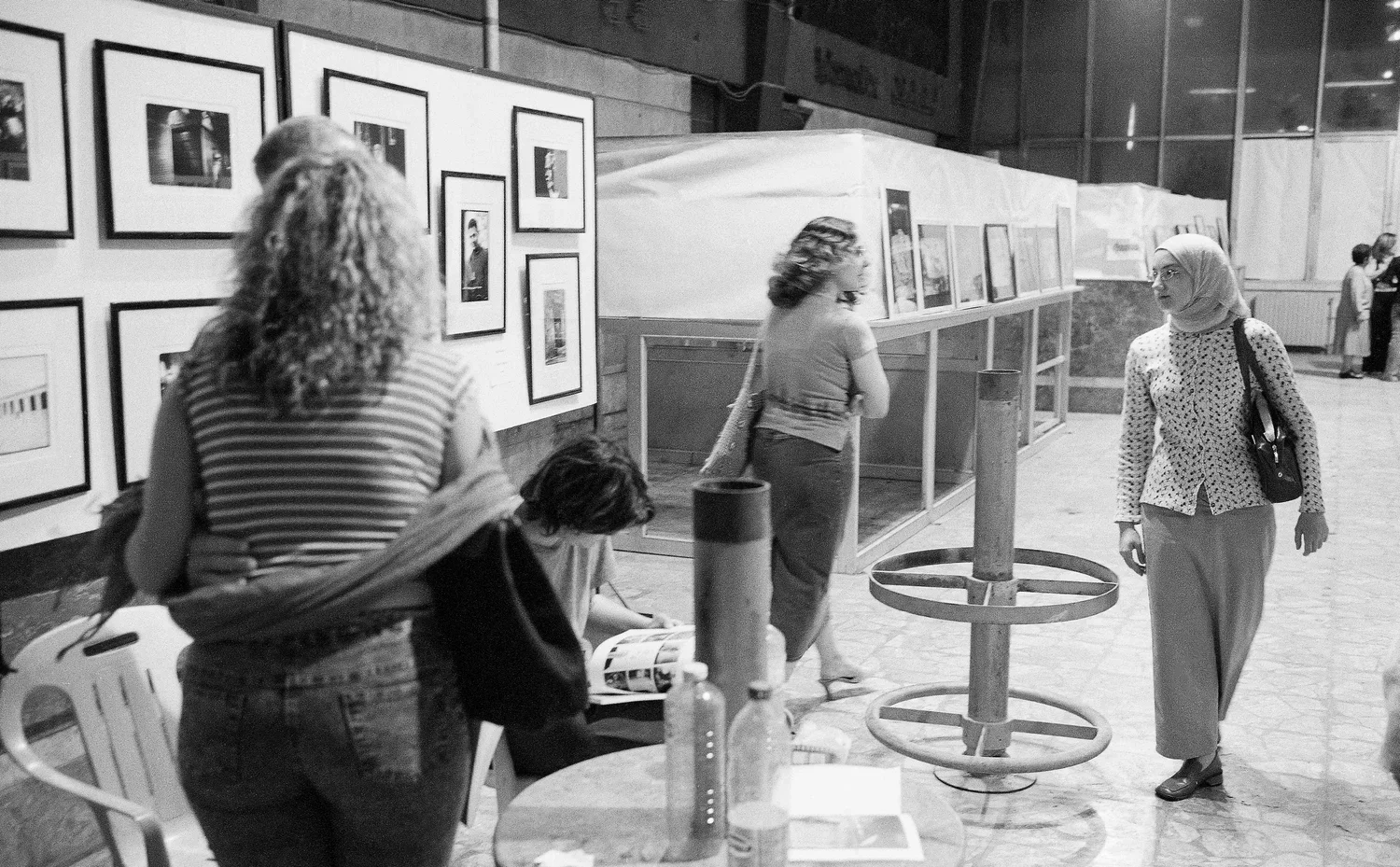
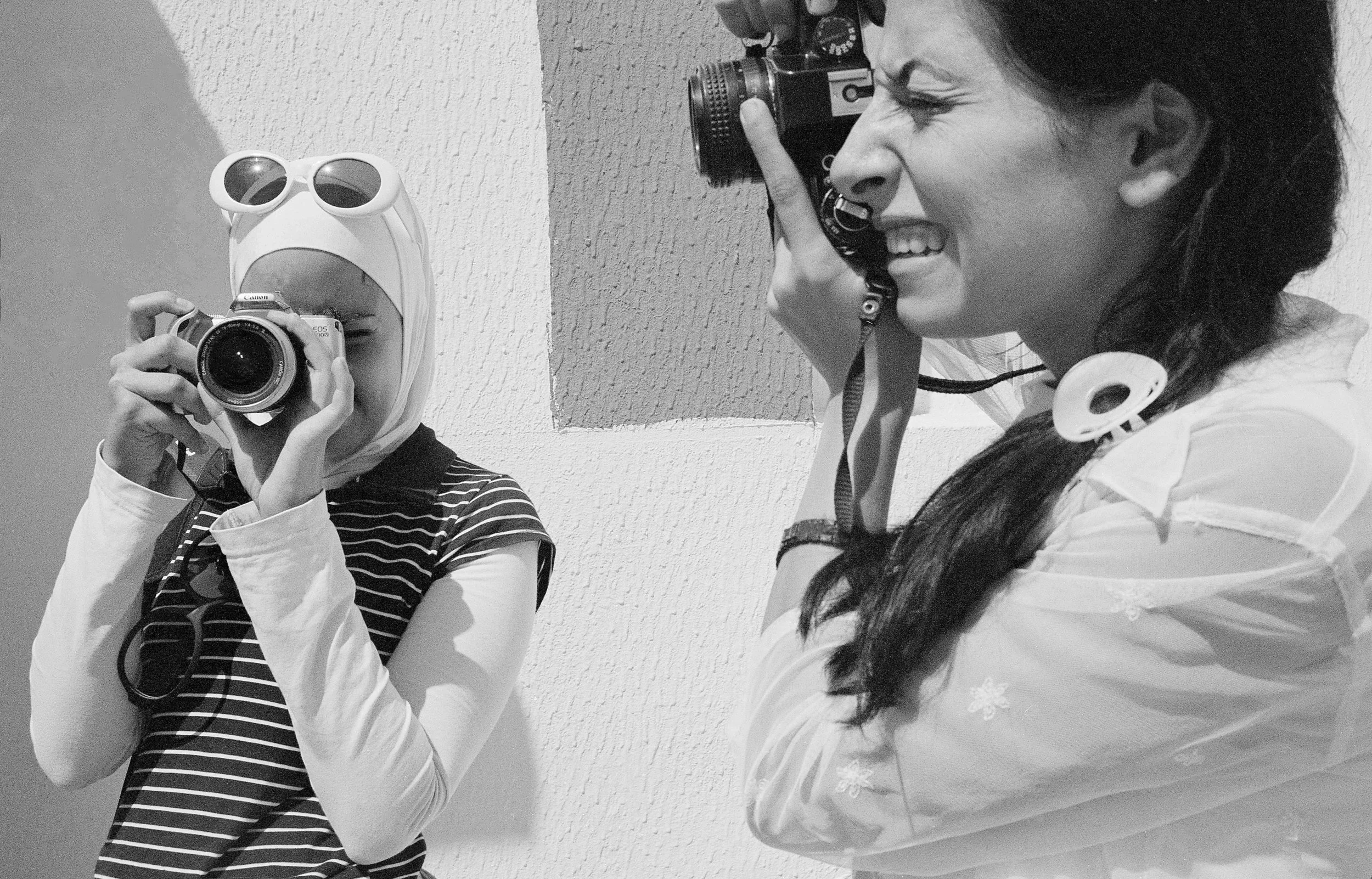
To my delight, the students were already technically accomplished. They simply had never been critiqued constructively before. All I really taught was — what they had inside of them — was already a good idea. Touching slightly deeper on formalities of the craft of photography, the students’ quality of composition quickly soared once they owned their responsibility to all four edges of the frame. Wonderful work was made. My biggest challenge was having to choose only one photograph from each student to exhibit alongside my work at The American Cultural Center. In attendance for the opening were three news journalists to include CNN, embassy officials, nearly all of the students and some of their families. The pride the students showed, as each described their work and process out loud to the Syrian Minister of Culture, was overwhelmingly beautiful.
Welcome was the number one English word I heard during my travels In Syria I was warmly welcomed as a female photographer exhibiting, teaching and lecturing. I was welcomed as a woman and as an American. Ms. Judge was right. I will be grateful to her for this experience for the rest of my life.
For reference: https://genius.com/Wisawa-szymborska-travel-elegy-annotated, https://www.youtube.com/watch?v=VtqRVBV6txA, https://www.goodreads.com/book/show/207781.The_Art_Spirit
Quisque iaculis facilisis lacinia. Mauris euismod pellentesque tellus sit amet mollis.